

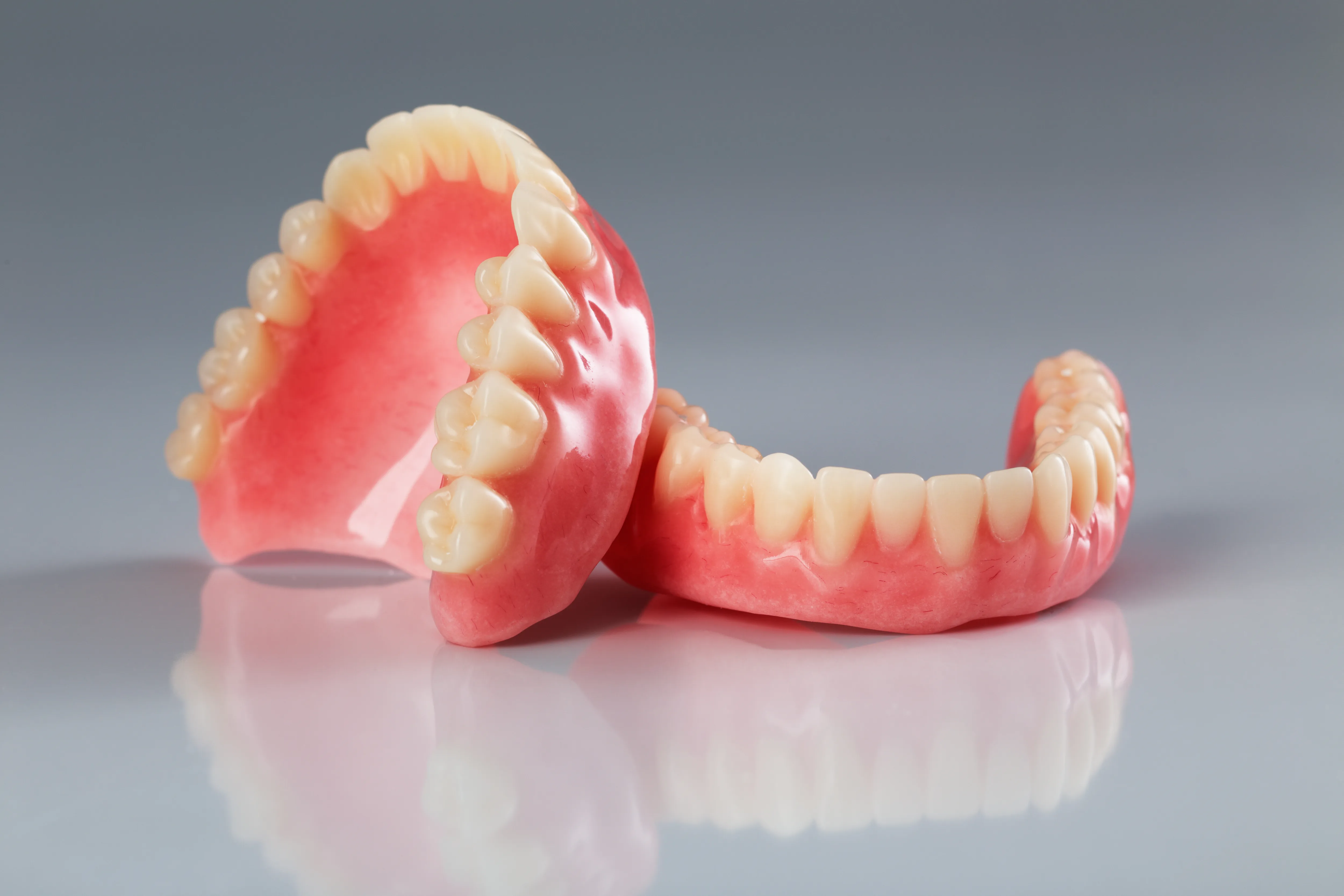
Dentures in Campbell, CA: A Practical Guide for Patients
Dentures in Campbell, California, help restore chewing, speech, and confidence for adults who have lost some or all of their teeth. At Kirkwood Dental, this restorative option is planned with care so you understand your choices, the steps involved, and how to keep your smile healthy over time.
Dentures Explained
Dentures are custom-made prosthetic teeth designed to replace missing teeth and gum tissue. Depending on how many teeth are missing, you may consider partial dentures, complete dentures, or implant-supported dentures. Each type is made from durable materials such as acrylic and metal frameworks, shaped to fit your mouth and support natural facial contours.
Complete dentures replace a full arch of teeth in the upper or lower jaw. Partial dentures attach around remaining healthy teeth with discreet clasps or precision attachments. For added stability, implant-supported dentures connect to dental implants placed in the jawbone, which can improve chewing function and limit movement.
Why Consider Dentures?
Replacing missing teeth does more than improve appearance. Dentures support oral health and daily function in practical ways that matter to patients in Campbell, California.
- Restore everyday chewing for a wider variety of foods.
- Support clearer speech and reduce lisps caused by gaps.
- Provide facial support to reduce a sunken look around the cheeks and lips.
- Offer removable options that are simple to clean and maintain.
- Present a cost-conscious solution compared to full-arch alternatives.
The right type of denture depends on your remaining teeth, gum health, bone support, and personal goals. A careful evaluation helps match you with the most suitable option.
How Dentures Work
The goal is a stable, comfortable fit that looks natural. Traditional complete dentures rest on the gums and create a seal with saliva for retention. Partial dentures distribute biting forces by anchoring around existing teeth. Implant-supported dentures gain stability from titanium implants in the bone, which help resist slipping during speech and meals.
Your Denture Journey
- Initial evaluation: oral exam, X-rays as needed, and discussion of goals and budget.
- Impressions and measurements: precise molds of your arches and bite registration to guide the lab.
- Tooth removal if needed: planning for immediate dentures or healing time before final dentures.
- Try-in appointment: a wax model is tested in your mouth to refine fit, bite, and tooth shade.
- Delivery: your finished dentures are adjusted chairside for comfort and function.
- Follow-up: sore-spot checks and fine-tuning to help your tissues adapt.
What to Expect Day to Day
It is normal to need an adjustment period. Your cheeks and tongue learn to guide the dentures, and saliva flow may increase at first. Small sore spots can occur and are relieved with quick adjustments. Start with softer foods cut into small pieces, then progress to firmer textures as comfort improves.
Daily care is essential. Rinse after meals, brush the denture gently with a soft brush, and soak it overnight in a non-abrasive cleanser. Clean your gums, tongue, and any remaining teeth to support gum health. Avoid hot water, which can warp acrylic. Adhesives can help in specific cases but are not a substitute for a proper fit.
Because gums and bone change over time, dentures may loosen. Periodic relines help restore a snug fit. Many dentures last five to seven years before replacement, depending on wear, oral changes, and how well they are maintained.

Find the Right Denture Solution
For guidance tailored to your needs, contact Kirkwood Dental at 408-378-8500 to discuss dentures in Campbell, CA, or schedule a visit with Dr. Vinh T. Pham.
Frequently Asked Questions About Dentures
- Most dentures last about five to seven years. Gum and bone changes, as well as normal wear, can affect fit and appearance. Relines and regular checkups extend comfort and function.
- Partial dentures replace several missing teeth and attach around remaining teeth. Complete dentures replace all teeth in the upper or lower jaw and rest on the gums for support and seal.
- Some words may feel different at first. Reading aloud and practicing helps with adaptation. As muscles coordinate with the denture, speech usually returns to normal.
- Dental implants placed in the jaw anchor the denture, improving stability and bite strength. This option often feels more secure and can reduce movement during meals.
- Rinse after meals, brush gently with a soft denture brush, and soak overnight in a recommended cleanser. Clean your gums and any natural teeth daily to support oral health.
- Removing dentures at night allows your gums to rest and reduces the risk of infections. Soak them while you sleep and reinsert them in the morning.
For guidance tailored to your needs, contact Kirkwood Dental at 408-378-8500 to discuss dentures in Campbell, CA, or schedule a visit with Dr. Vinh T. Pham.