

Dental Crowns in Campbell, CA: A Patient Guide
Dental crowns in Campbell, California, restore the strength, shape, and appearance of damaged teeth. This guide explains what a dental crown is, how the procedure works, benefits, materials, and what patients can expect from start to finish.
Dental Crowns Explained
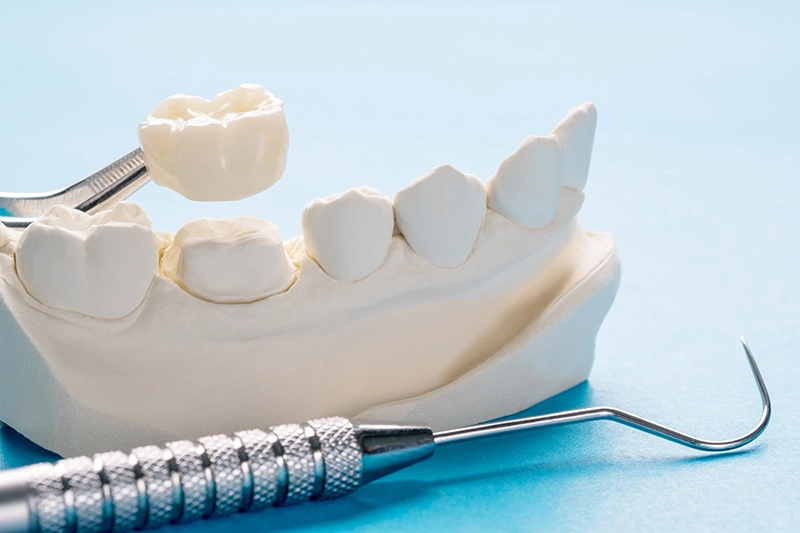
A dental crown is a custom cap that covers a tooth above the gumline. It is used when a filling is not enough to rebuild the tooth's structure. Common reasons for a crown include a tooth with extensive decay, a crack or fracture, significant wear, a tooth following root canal therapy, or to top a dental implant. By surrounding the tooth, a crown restores function and protects the remaining natural structure.
Materials vary. Options often include porcelain or ceramic for natural-looking front teeth, zirconia for high strength and excellent esthetics, porcelain-fused-to-metal for a blend of durability and appearance, and full metal (such as gold) for exceptional longevity in areas of heavy chewing. Porcelain vs zirconia crown choices depend on location in the mouth, bite forces, aesthetic goals, and recommendations by our dentist.
Benefits of Dental Crowns
- Strengthens a weakened tooth so you can chew comfortably.
- Protects a cracked or worn tooth from further damage.
- Restores natural shape, size, and alignment for a balanced bite.
- Improves appearance by matching color and translucency to nearby teeth.
- Stabilizes a tooth after root canal treatment.
- Completes a dental implant to replace a missing tooth.
The Dental Crown Process
Evaluation and Planning
The visit begins with an exam and imaging to confirm that a crown is the right solution. Our dentist reviews what a dental crown is, how a dental crown works, and which material best suits the tooth.
Tooth Preparation and Temporary Crown
Local anesthetic is used to keep you comfortable. The tooth is shaped to make room for the crown. An impression or digital scan captures precise details for the lab. A temporary crown is placed to protect the tooth while the final crown is made.
Final Placement
At the seat appointment, the temporary crown is removed. The final crown is tried in, the bite is adjusted, and the crown is bonded or cemented. Many crowns are completed over two visits. Some situations may allow same-day crowns with in-office milling, but this depends on case needs and office technology.
What to Expect
Numbing typically wears off within a few hours. Mild soreness or temperature sensitivity is common and usually improves in several days. With a temporary crown, avoid sticky or very hard foods on that side and brush gently along the gumline. If the temporary comes off, contact the office to have it recemented so the tooth remains protected.
After the final crown is placed, care is the same as for natural teeth. Good brushing and flossing keep the margins clean and the gums healthy. A night guard may be recommended if you clench or grind. Avoid chewing ice and very hard items. With proper home care and regular checkups, many crowns last 10 to 15 years or longer, though lifespan varies with habits, material, and location.
Questions About Dental Crowns?
If you have questions about dental crowns in Campbell, CA, contact Kirkwood Dental at 408-378-8500 to schedule a consultation with Dr. Vinh T. Pham.
Frequently Asked Questions About Dental Crowns
- Dental crowns address large cavities, cracked or broken teeth, severe wear, and teeth that need protection after a root canal. They can also improve shape and color when veneers or bonding are not appropriate.
- The crown fits over the prepared tooth like a cap. By encasing the tooth, it spreads bite forces, restores lost structure, and shields weakened areas from further stress.
- There is no single best material. Porcelain and zirconia offer lifelike esthetics, with zirconia providing added strength. Porcelain-fused-to-metal balances durability and appearance. Metal crowns excel in back teeth where chewing loads are high.
- Local anesthetic keeps the procedure comfortable. Some sensitivity after preparation or placement is normal and usually short-lived. Over-the-counter pain relief is often adequate.
- Many crowns last 10 to 15 years or more. Longevity depends on oral hygiene, diet, bite forces, use of a nightguard when needed, and attending routine dental visits.
- Fillings work for smaller areas of decay. When a tooth has extensive damage or cracks, a crown offers greater structural support and longer-term protection.
- Modern ceramics can be color-matched and shaped to blend with surrounding teeth. A proper shade selection and careful design help the crown look natural in your smile.
If you have questions about dental crowns in Campbell, CA, contact Kirkwood Dental at 408-378-8500 to schedule a consultation with Dr. Vinh T. Pham.