

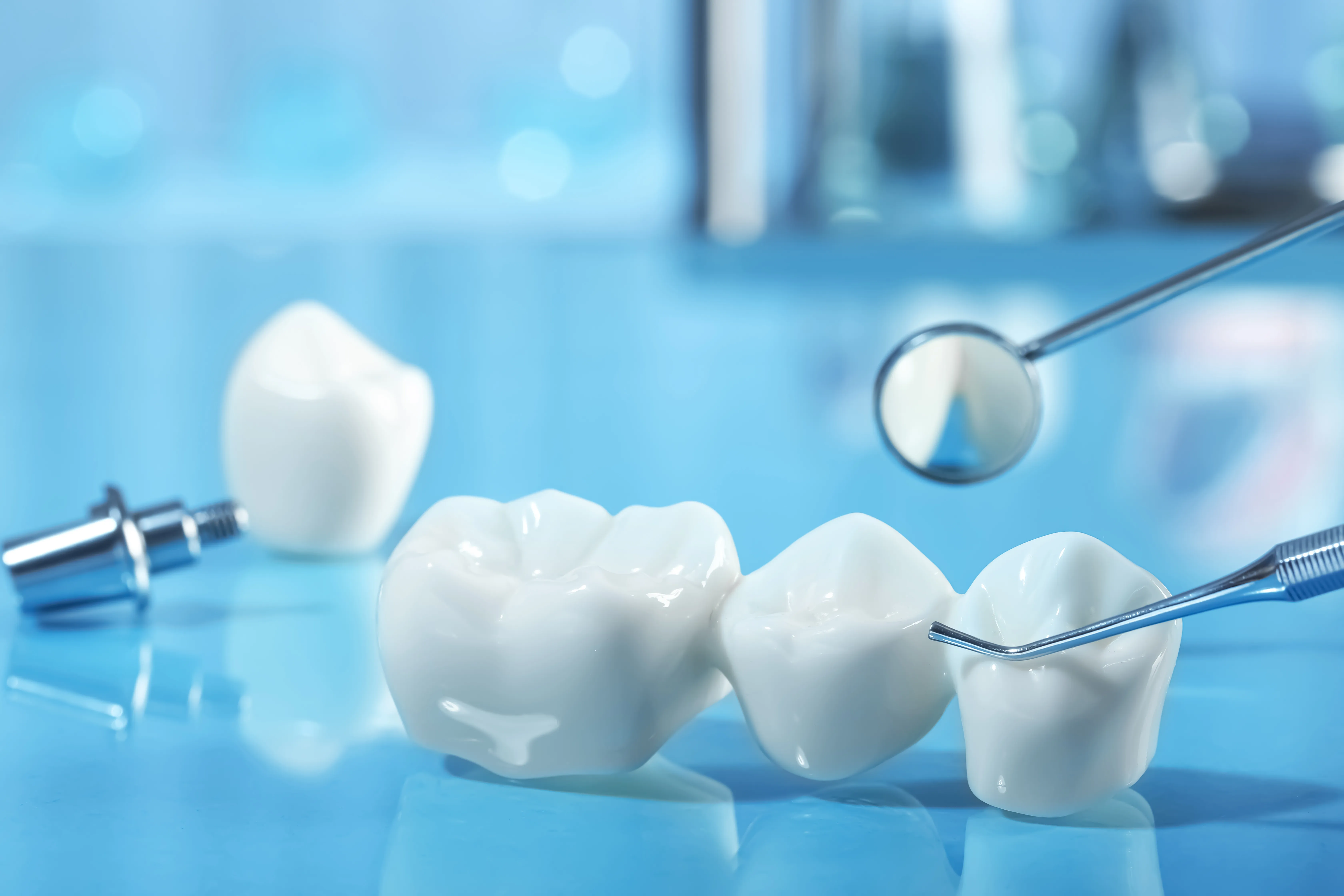
Dental Bridges in Campbell, CA: A Patient Guide
Patients seeking dental bridges in Campbell, California, can rely on this clear guide from Kirkwood Dental. Dental bridges replace one or more missing teeth with an artificial tooth supported by neighboring teeth or implants, restoring function and appearance in a predictable way.
Dental Bridges Explained
A dental bridge is a fixed restoration that “bridges” a gap. It typically has two parts: abutments that anchor the bridge and a pontic, which is the replacement tooth. Materials include porcelain fused to metal, zirconia, and all-ceramic options designed to match surrounding teeth. If you are asking what is a dental bridge, think of it as a custom-made unit that becomes part of your bite and smile.
Common types of dental bridges include traditional bridges (anchored to teeth on both sides), cantilever bridges (anchored on one side in select cases), Maryland bridges (bonded to the backs of teeth with minimal shaping), and implant-supported bridges for larger spaces. Our dentist will help determine which design fits your needs and oral health.
Benefits of Dental Bridges
- Restore chewing efficiency and clearer speech after tooth loss.
- Help prevent neighboring teeth from shifting into the empty space.
- Maintain facial support and a balanced bite.
- Offer a fixed solution that does not need to be removed.
- Provide natural-looking results with modern ceramic materials.
- Deliver a shorter overall treatment timeline than many implant cases.
The Dental Bridge Process
1. Evaluation and Planning
A thorough exam, X-rays, and sometimes digital scans assess the gap, abutment teeth, and bite. This visit covers how a dental bridge works, types of dental bridges available for your case, and expected outcomes.
2. Tooth Preparation and Temporary Bridge
Abutment teeth are carefully shaped to make room for the bridge. Impressions or scans are taken, and a temporary bridge protects the teeth and maintains your smile while the final bridge is crafted.
3. Shade Matching and Fabrication
The lab designs the bridge to match the color and contour of your existing teeth. This step supports a seamless result that fits your bite and looks natural.
4. Final Placement and Adjustments
At delivery, the bridge is tried in, adjusted for comfort and bite, and permanently cemented. Our dentist verifies contact points and polish so it feels smooth and secure.
5. Follow-Up and Care
A short follow-up checks comfort and hygiene. Guidance covers caring for a dental bridge with floss threaders or interdental brushes and regular cleanings.
What to Expect
Local anesthesia keeps you comfortable during tooth preparation. It is common to experience mild sensitivity or gum tenderness for a few days, which usually improves quickly. The temporary bridge requires careful brushing and flossing; avoid very sticky or hard foods until your final bridge is placed. With good home care and routine checkups, many bridges last 10 to 15 years or longer. Daily cleaning is essential—slide floss under the pontic using a threader, clean the gumline on both sides, and brush for two minutes twice a day.
Choosing Between a Bridge and an Implant
Both options replace missing teeth effectively but differ in approach. A bridge uses neighboring teeth for support and can be completed in weeks. An implant replaces the tooth root and usually requires more time for healing. Factors such as jawbone health, number of missing teeth, and adjacent tooth condition influence the decision. Discuss dental bridge vs implant considerations to align treatment with your goals and oral health.

Plan Your Dental Bridge
For questions about dental bridges in Campbell, CA, or to plan a visit, contact Kirkwood Dental at 408-378-8500 to schedule with Dr. Vinh T. Pham.
Frequently Asked Questions About Dental Bridges
- Many bridges last 10 to 15 years or more with excellent oral hygiene, routine professional cleanings, and a well-balanced bite. Nightguards can help protect against clenching.
- Local anesthesia is used during preparation and placement, so you should be comfortable. Mild soreness or sensitivity after visits is common and usually short-lived.
- Traditional, cantilever, Maryland (resin-bonded), and implant-supported designs are the primary types. The best choice depends on tooth position, bite forces, and the health of supporting teeth or bone.
- Use floss threaders or super floss to pass under the pontic, then sweep side to side along the gumline. Interdental brushes and water flossers can also help remove plaque.
- Modern ceramics are color-matched to your teeth and shaped to blend with your smile. Shade selection and contouring during fabrication support a natural appearance.
- In many cases, yes. If conditions are right, a bridge can be replaced with an implant in the future. Our dentist will evaluate bone levels and restorative goals before planning.
For questions about dental bridges in Campbell, CA, or to plan a visit, contact Kirkwood Dental at 408-378-8500 to schedule with Dr. Vinh T. Pham.